A Brief History of O’Neill’s Regiment
O’Neill’s Regiment traces its proud origins to the aftermath of the Treaty of Limerick in 1691, when the soldiers of Ireland — unwilling to serve under foreign rule — took the road to France in what became known as the Flight of the Wild Geese. Among them marched men loyal to the noble House of O’Neill, heirs to a long line of Ulster chieftains and warriors.
Formed under the banner of King Louis XIV, O’Neill’s Regiment became part of the renowned Irish Brigade, earning distinction for its discipline, courage, and unshakable faith. From the battlefields of Flanders to the sieges of Italy and Germany, the regiment’s green coats stood firm amidst fire and shot, their battle cry — Cuimhnigh ar Luimneach agus ar fheall na Sasanach! (“Remember Limerick and the treachery of the English!”) — echoing across Europe.
Throughout the 18th century, O’Neill’s men served France with honor, forging a legacy written in sacrifice and steel. Though many would never again see Ireland’s shores, their service ensured that the name of O’Neill, and of Ireland herself, would live on in the annals of European arms — a testament to loyalty, exile, and the enduring spirit of the Irish soldier abroad..
Regimental Timeline
1691-1692
Origins and Formation
The story of O’Neill’s Regiment begins in the turbulent aftermath of the Williamite War in Ireland. When the Treaty of Limerick was signed in 1691, thousands of Irish soldiers loyal to King James II chose exile over surrender. Among them were veterans from Ulster, Leinster, and Connacht — men bound by loyalty to the ancient House of O’Neill, long defenders of Ireland’s sovereignty.
Led by Colonel Hugh O’Neill, a descendant of the famed Tyrone dynasty, the regiment was raised on French soil under the patronage of King Louis XIV, joining the newly formed Irish Brigade — a brotherhood of exiled Irish regiments pledged to the service of France and the Catholic faith.
Their motto, “Fír na Dílseachta” (“Men of Loyalty”), reflected both their devotion to their cause and the sorrow of a people forced from their homelan
1701-1714
Early Campaigns and The War of the Spanish Succession
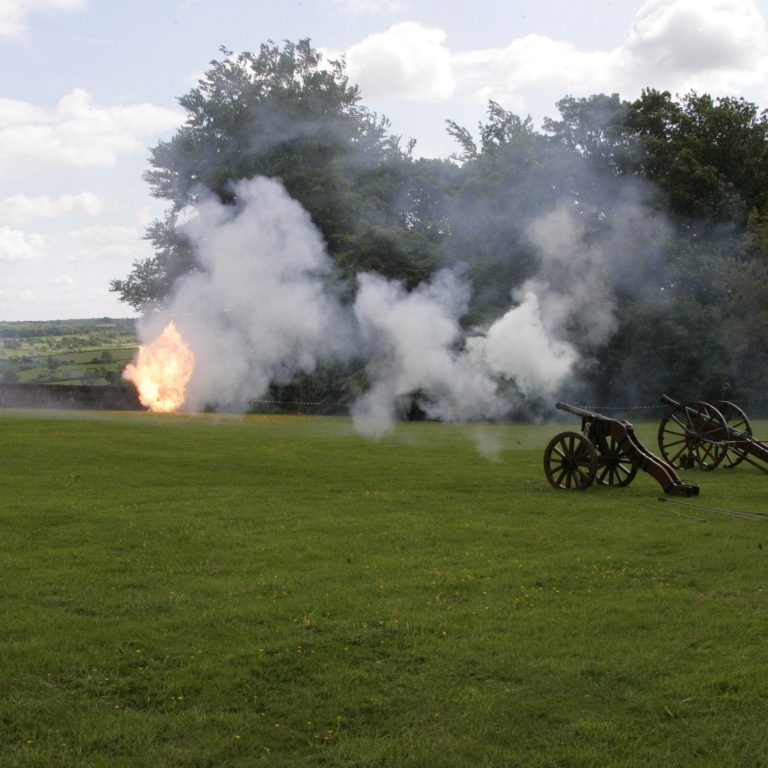
O’Neill’s Regiment saw its first major action during the War of the Spanish Succession, fighting alongside the other Irish regiments of Dillon, Clare, and Berwick. The regiment distinguished itself at the Battle of Cremona (1702), where the Irish Brigade’s surprise counterattack saved the French garrison from destruction.
At Ramillies (1706) and Malplaquet (1709), the men of O’Neill’s held their ground against superior numbers, earning the respect of their French allies and the grudging admiration of their foes. Reports from the field praised the regiment’s discipline under fire and its fierce bayonet charges — hallmarks of the Irish soldier’s reputation in Europe.
1715-1760
Service and Reputation
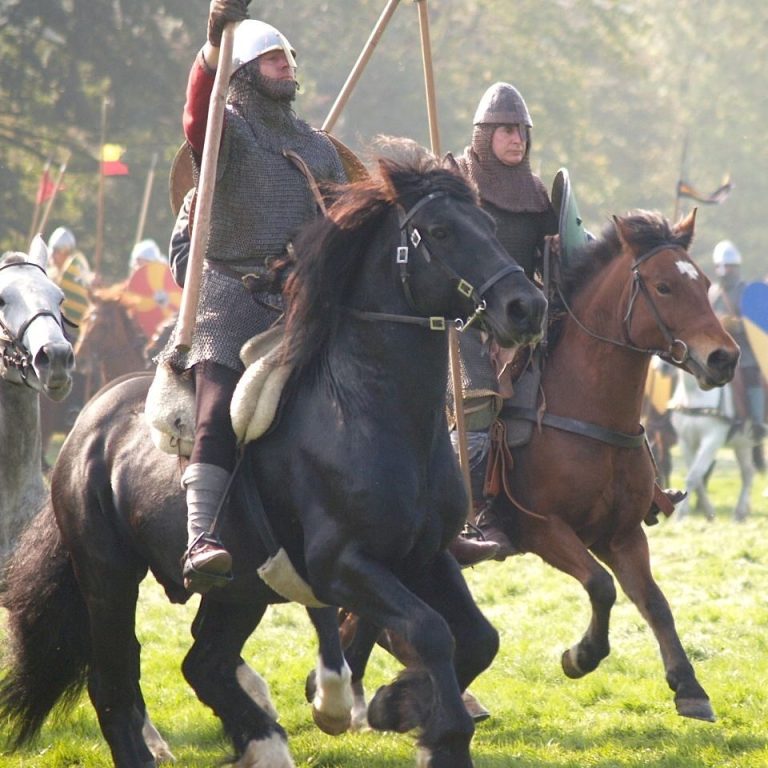
In the decades that followed, O’Neill’s Regiment became a symbol of the Irish Brigade’s enduring spirit. Garrisoned at times in Flanders, Alsace, and Lorraine, the regiment maintained its distinct Irish character, with prayers said in both Irish and Latin and green facings proudly displayed on their red French coats.
Many officers were of noble Irish birth — O’Neills, O’Reillys, and O’Donnells — while the ranks were filled by the sons of exiles and those who crossed the sea to “take service with the lilies.” The regiment continued to uphold its reputation in the War of the Austrian Succession (1740–1748), fighting with distinction at Fontenoy (1745) — a battle forever associated with Irish valor.
At Fontenoy, when the French line faltered, it was the charge of the Irish Brigade — O’Neill’s among them — that turned defeat into victory. Their cry of “Cuimhnigh ar Luimneach!” (“Remember Limerick!”) thundered across the field as they drove the enemy from the ridge.
Legacy and Remembrance
Legacy and Remembrance
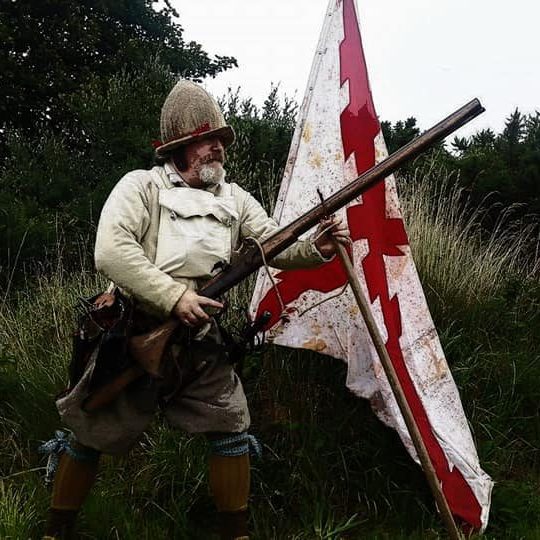
Today, O’Neill’s Regiment lives on through reenactment, research, and remembrance. Historians, descendants, and enthusiasts alike honor the memory of those who served beneath its colors. Through living history events, educational outreach, and community engagement, the regiment’s legacy continues to inspire — a tribute to the Irish soldiers who gave their swords, and often their lives, in the service of faith, honor, and Ireland.
“Ní bheidh a leithéid arís ann” — Their like will not be seen again.